
Encapsulation Quote Checklist
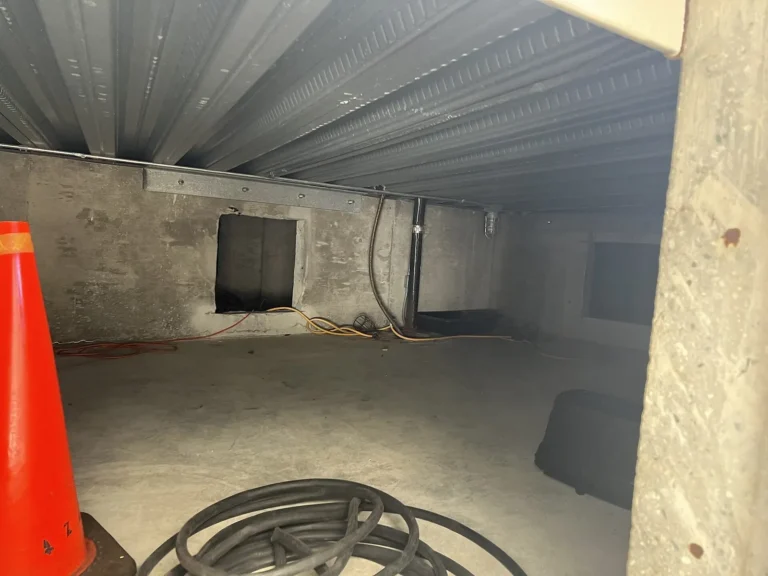

An encapsulation quote is only useful if every bidder prices the same job. Homeowners often collect three bottoms and still cannot tell whether they bought a ground sheet, a sealed crawl, or a sealed crawl plus drying and drainage. Here is a line-item checklist for comparing written encapsulation bids: liner, coverage, seams, vents, insulation, dehumidifier, drainage, electrical, permits, warranty, and exclusions. It is not how to hire or vet contractors (How to Hire and Compare Crawl Space Contractors), not national dollar ranges (Crawl Space Encapsulation Cost Guide), not the step-by-step process essay (Crawl Space Encapsulation Process: Step by Step), and not the system overview (Crawl Space Encapsulation Guide).
Figures such as 6-mil poly, 6–12 in. laps, 6 in. upturns, and 1 cubic feet per minute (CFM) and 50 ft² of crawl floor area come from named Building America Solution Center and ENERGY STAR practice sources below—labeled practice, not CrawlSpacePedia invented specs and not a substitute for the edition your local building authority adopted. Dollar amounts are only on Crawl Space Encapsulation Cost Guide.
Before you compare any bid (stop conditions)
Do not treat a polished encapsulation package as a cure if these are unresolved. Point contractors to document them in writing—or pause the job.
| Stop or clarify first | Why it should be on the quote | Where to read more |
|---|---|---|
| Standing water or active flooding | Sealing over water traps moisture | Water in the Crawl Space: Causes and Fixes or When Not to Encapsulate a Crawl Space |
| Exterior site water (gutters, grade) unfinished | Cheap first control before liner spend | Gutters, Grading, and Crawl Space Moisture |
| Structural movement, sagging floors, failed piers | Encapsulation is not underpinning | Crawl Space Structural Warning Signs (incl. sagging floors) |
| Active mold on framing or wet wood | Remediate before sealing | Crawl Space Mold: What Homeowners Should Do |
| Flood openings required | Closing all vents can violate flood rules | How to Seal Crawl Space Vents (Safely) or When Not to Encapsulate a Crawl Space |
| Atmospheric combustion appliances in or drawing from the crawl | Closing the crawl changes combustion air | Process + safety see Crawl Space Encapsulation Process: Step by Step or When Not to Encapsulate a Crawl Space |
The Building America Solution Center’s Vented to Unvented Crawl Space checklist says the contractor shall verify proper foundation drainage and foundation waterproofing or dampproofing and determine if flood vents are needed before proceeding. Put that verification—and who pays for it—on every bid.
Master line-item checklist
Print or copy this table. Mark each row Included or Allowance, Excluded, not applicable on every written quote. Compare columns, not bottoms.
A. Measurement and access
- Crawl floor area (sq ft) and height measured how (laser or tape or estimate)?
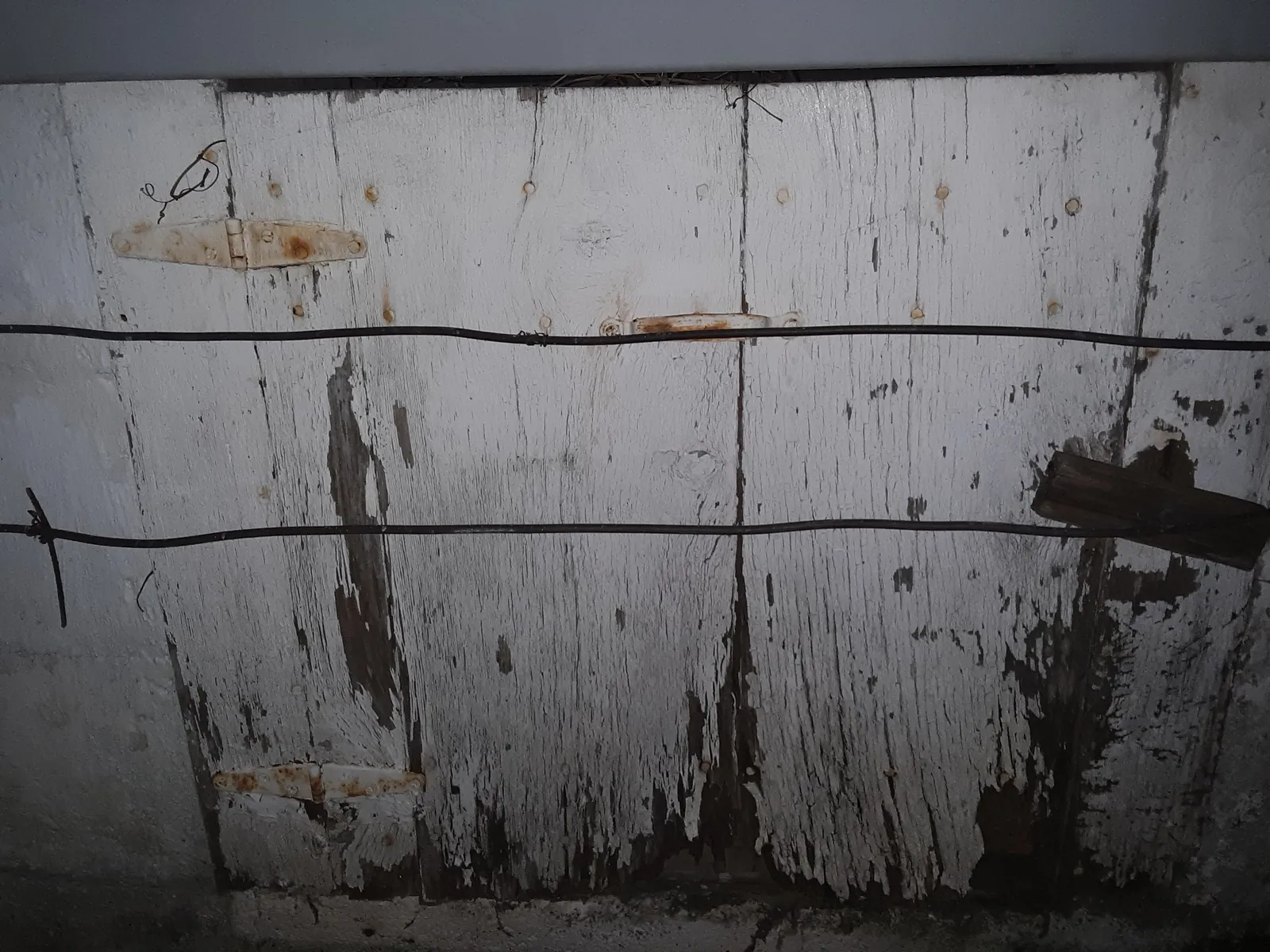
- Access location(s); debris removal included?
- Photos or video of existing conditions before work
B. Ground vapor barrier (liner)
That same checklist calls for minimum 6-mil polyethylene over the entire ground; lap 6 to 12 inches; tape all seams and tears and holes; extend poly a minimum of 6 inches up foundation walls and concrete footings and tape for a continuous seal; clear vegetation and organic material first.
ENERGY STAR’s National Water Management System Builder Requirements Rev. 13 describes a capillary break at crawlspace floors: ≥ 6 mil polyethylene, lapped 6–12 in., and either lapped up each wall or pier and fastened with furring strips or equivalent, or secured in the ground at the perimeter with stakes (builder-program options—not a DIY mandate for every retrofit).
ENERGY STAR and Advanced Energy’s Designing Closed Crawlspaces guide says to cover 100% of the crawl space floor with a minimum 6-mil vapor retarder; install on inside wall surfaces, mechanically fasten and seal to the top of the walls, leaving the required inspection gap; extend up interior columns at least 4 inches; seal seams and edges with fiberglass mesh tape and mastic or equivalent.
On the quote, demand:
- Stated mil thickness (and brand and product only if offered—example attribution, not an endorsement)
- 100% floor coverage vs partial patches
- Lap width and seam product (tape or mastic or mesh)
- Wall upturn height; fastening method; termite or inspection gap if walls are lined
- Pier or column wrap height and seal method
- Penetrations (pipes, piers, sump) sealed how
- Post-work tear repair walk-through
For liner detailing without inventing a new mil guide: Crawl Space Vapor Barrier Guide.
C. Air sealing and vents
The checklist also says foundation wall vents and other penetrations shall be blocked and sealed; if required, some vents may be replaced with flood vents that include weather stripping; sealants compatible with surfaces and fire-rated around flues; floor penetrations sealed for fire safety per International Residential Code (IRC) as adopted; rim joists adjoining the exterior insulated (closed-cell spray foam or sealed rigid foam).
On the quote, demand:
- Every foundation vent: seal vs convert to flood vent (who decides; local building authority)
- Access hatch or door weatherstripping
- Rim joist or band joist air seal + insulation method then Seal and Insulate the Crawl Space Rim Joist or Insulate Crawl Space Walls or Floor?
- Pipe, wire, and duct penetrations listed
For a safe vent-closure how-to, see How to Seal Crawl Space Vents (Safely). For choosing vented versus closed, see Vented vs Unvented Crawl Space.
D. Insulation location (if included)
Encapsulation quotes often bury insulation. Force a location call—walls vs floor above—on paper (Insulate Crawl Space Walls or Floor?).
- Where insulated (walls or rim or floor above)—not “insulated” alone
- Product type and stated R-value (confirm with your local building authority or energy code edition)
- Ignition or thermal barrier if foam is used (local building authority)
- Termite inspection gap retained where required
HIE checklist notes cripple walls, rim joists, and foundation walls air sealed and insulated to an R-value that meets or exceeds the 2012 International Energy Conservation Code (IECC) as written in that checklist—treat as practice checklist language, then confirm your adopted energy code with your local building authority.
E. Drying or conditioning (dehumidifier or conditioned air)
HIE checklist commissioning: heating, ventilation, and air conditioning (HVAC) supply and return airflow to the crawl space at 1 CFM or 50 ft² of crawl space floor area (pathway language on that checklist). Combustion safety test if natural-draft equipment exists in the crawl.
On the quote, demand:
- Dehumidifier included? Capacity basis (pints per day or sizing method)—not a brand ranking (Crawl Space Dehumidifier Guide).
- Drain path (gravity or pump or condensate line); who owns freeze or clog risk
- Dedicated outlet or ground-fault circuit interrupter (GFCI), circuit allowance
- If no dehumidifier: how conditioned air is supplied and returned and measured
- Stated humidity practice goal vs warranty of a specific relative humidity (RH) (do not accept a fake performance guarantee without a defined test method)
Always-on dehumidifier troubleshooting: Active.
F. Water control (drainage or sump or exterior)
HIE: verify drainage and waterproofing or dampproofing before proceeding. ENERGY STAR Water Management Rev. 13 includes drain-tile and sump-cover themes for program homes—useful as a quote prompt, not proof your retrofit must match new-home certification.
On the quote, demand:
- Interior perimeter drain or French drain: included, allowance, or excluded then Crawl Space Interior Drainage Systems or Crawl Space Drainage and Waterproofing Guide
- Sump: new vs existing basin; discharge path; check valve; backup then Active or Crawl Space Sump Pump Cost (Install & Replacement)
- Exterior grading or gutters or downspouts in this bid or separate then Gutters, Grading, and Crawl Space Moisture
- Waterproofing membranes or excavation: included or then Crawl Space Waterproofing Cost
Refuse “encapsulation” that is liner-only when the diagnosis is liquid water.
G. Prep work and exclusions
- Cleaning or debris disposal
- Mold remediation included or excluded then Crawl Space Mold: What Homeowners Should Do
- Pest treatment included or excluded then Signs of Pests in a Crawl Space
- Structural repairs and pier work exclusion then Crawl Space Structural Warning Signs (incl. sagging floors)
- Radon testing or mitigation exclusion
- Flood-vent hardware exclusion
H. Electrical, plumbing, permits, schedule
- Electrical allowances (outlet, pump, dehumidifier)
- Plumbing discharge or check-valve work
- Permit responsibility and fees (local building authority)
- Start date, duration, progress payments (hire hygiene then How to Hire and Compare Crawl Space Contractors).
- Who backfills landscaping after exterior digs
I. Warranty and close-out
- What is warranted (seams or materials or workmanship) vs humidity outcomes
- Duration; transferability; maintenance required to keep warranty
- Final walk-through checklist; as-built photos
- Combustion safety or radon notes if applicable (HIE commissioning themes)
Common quote mismatches (refuse these)
These patterns show up when bottoms look cheap but the bids include different work. None invent a price—they are mismatched packages.
- “Encapsulation” = thin poly on the dirt only — no wall upturns, no taped seams, no vent sealing, no drying plan. HIE and ENERGY STAR practice figures above treat continuous sealed coverage as the point of the ground cover.
- Same bottom, different mil or coverage — one bid 10–20 mil commercial liner, another 6 mil sheeting; both say “vapor barrier.” Demand mil + coverage on paper (Crawl Space Vapor Barrier Guide).
- Liner included; water control excluded in fine print — standing water or high water table needs drainage and sump work (Crawl Space Drainage and Waterproofing Guide or Crawl Space Sump Pump Cost (Install & Replacement)), not plastic alone.
- Dehumidifier “available” vs installed — equipment sitting in a truck is not a commissioned drain path and outlet.
- All vents sealed in a mapped flood zone without flood-opening analysis — HIE says determine if flood vents are needed before proceeding.
- Humidity warranty without a test method — “keeps crawl at 50% RH forever” without meter location, season, or maintenance duties is marketing, not a comparable line item. Prefer workmanship and seam warranties plus a stated practice monitoring plan.
- Insulation “included” with no location — wall foam vs floor batts are different jobs (Insulate Crawl Space Walls or Floor?).
- Permit “by owner” sprung after signing — put local building-authority permit responsibility on the bid.
Use How to Hire and Compare Crawl Space Contractors for payment and contract hygiene when a mismatch turns into a dispute.
How to score three bids without inventing a midpoint
- Copy the master checklist into a spreadsheet; one column per contractor.
- Mark missing rows as Excluded or Unanswered—not “probably included.”
- Send the same clarification email to all bidders listing unanswered rows.
- Only then look at price context on Crawl Space Encapsulation Cost Guide—match what’s included first.
- Do not average three bottoms into a “fair” CrawlSpacePedia price.
- Hire and vetting, licenses, insurance, payment hygiene: How to Hire and Compare Crawl Space Contractors (Federal Trade Commission (FTC) consumer themes live there—not duplicated here).
Practice sources vs code (labels)
| Claim type | How here treats it |
|---|---|
| HIE or ENERGY STAR mil, lap, CFM, commissioning | Practice or program checklist—cite the named document; not CrawlSpacePedia law |
| IRC and IECC R-values, fireblocking, unvented crawl options | ENERGY STAR Guide’s IRC 2009 R408.3 is historical as printed in that guide; for current secondary text see IRC 2021 R408.3 (UpCodes) on Crawl Space Encapsulation Process: Step by Step—confirm with your local building department; this checklist does not re-teach those pathways |
| Manufacturer product sheets | Follow the product on the bid; brand names here are examples only |
| Consumer cost guides | Dollars then Crawl Space Encapsulation Cost Guide only |
The U.S. Environmental Protection Agency’s Brief Guide to Mold, Moisture and Your Home says to fix moisture problems; dry wet materials; reduce humidity sources—use as moisture hygiene, not as an encapsulation BOM.
Related CrawlSpacePedia pages
| Topic | Article |
|---|---|
| Hire or compare contractors | How to Hire and Compare Crawl Space Contractors |
| Encapsulation cost ranges | Crawl Space Encapsulation Cost Guide |
| Encapsulation process | Crawl Space Encapsulation Process: Step by Step |
| What encapsulation is | Crawl Space Encapsulation Guide |
| When not to encapsulate | When Not to Encapsulate a Crawl Space |
| Vapor barrier detailing | Crawl Space Vapor Barrier Guide |
| Dehumidifier | Crawl Space Dehumidifier Guide |
| Insulation location | Insulate Crawl Space Walls or Floor? |
| Drainage or waterproofing | Crawl Space Drainage and Waterproofing Guide |
| Inspection checklist | Crawl Space Inspection Checklist |
Sources
- Building America Solution Center — Vented to Unvented Crawl Space checklist (practice guidance)
- ENERGY STAR asset — Designing Closed Crawlspaces
- ENERGY STAR — National Water Management System Builder Requirements. Builder requirements—not universal retrofit law
- ENERGY STAR asset — Guide to Closing and Conditioning Ventilated Crawlspaces. The Guide’s 2009 citation is historical / practice as printed in that guide—not current law. For current secondary unvented-crawl text, see IRC 2021 R408.3 via UpCodes (as already owned on Crawl Space Encapsulation Process: Step by Step—Class I ground cover + conditioning pathway options; confirm with your local building authority. This checklist does not re-teach those pathways
- Building America Solution Center — Water Management for an Existing Crawlspace Floor
- U.S. EPA — A Brief Guide to Mold, Moisture and Your Home
- Cross-links only (no new $): Crawl Space Encapsulation Guide, Crawl Space Encapsulation Cost Guide, Crawl Space Vapor Barrier Guide, Crawl Space Dehumidifier Guide, When Not to Encapsulate a Crawl Space, Crawl Space Encapsulation Process: Step by Step, How to Hire and Compare Crawl Space Contractors, Vented vs Unvented Crawl Space, Water in the Crawl Space: Causes and Fixes, Crawl Space Mold: What Homeowners Should Do, Crawl Space Drainage and Waterproofing Guide, Insulate Crawl Space Walls or Floor?, Seal and Insulate the Crawl Space Rim Joist, Crawl Space Inspection Checklist, Why a Crawl Space Dehumidifier Runs Constantly, How to Seal Crawl Space Vents (Safely), Gutters, Grading, and Crawl Space Moisture, Crawl Space Sump Pump Guide, Crawl Space Sump Pump Cost (Install & Replacement), Crawl Space Interior Drainage Systems, Signs of Pests in a Crawl Space, Crawl Space Waterproofing Cost, Crawl Space Structural Warning Signs (incl. sagging floors).
Image credits
- ‘Crawl space interior’ by Alboychenko08 via Wikimedia Commons, CC BY-SA 4.0, resized and converted to WebP.
- ‘Exterior crawl space access panel on a residential foundation’ by TradeCrawlspaces via Wikimedia Commons, CC BY-SA 4.0, resized and converted to WebP.