
Crawl Space Sump Pump Guide: How Systems Work
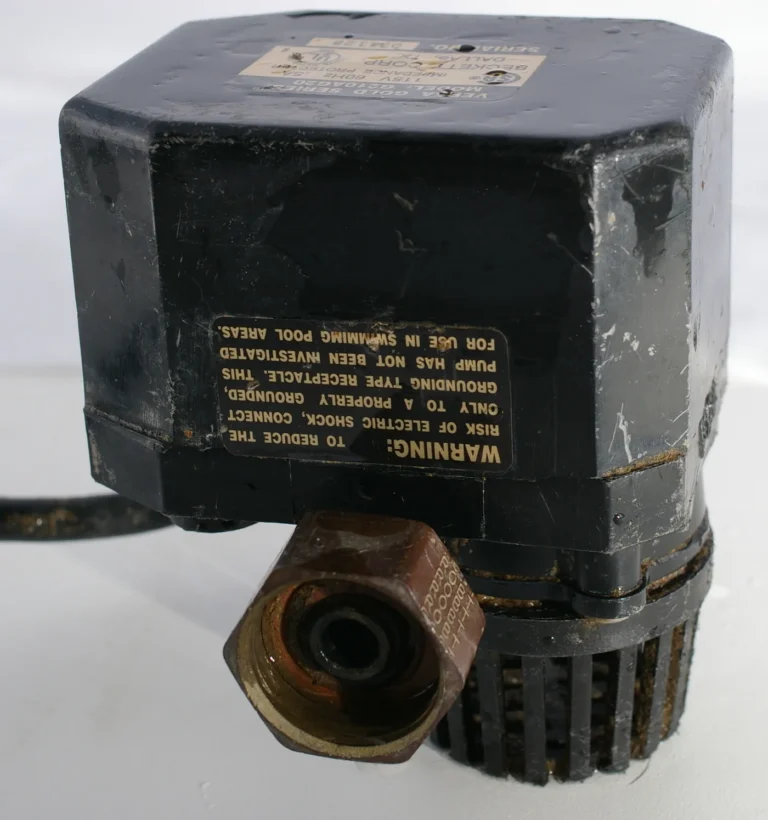

A crawl-space sump pump is a small mechanical drainage system: groundwater and footing-drain water collect in a lined pit, a pump lifts that water, and a discharge pipe carries it away from the foundation. Done well, it keeps the underside of the house from recycling the same water. Done poorly—no check valve, discharge next to the wall, open pit lid, unverified wiring—it can cycle endlessly, freeze, or push soil gas into living space.
The Building America Solution Center and North Dakota State University Extension describe when a sump is warranted, how the parts work together, discharge and freeze protection, sealed covers, backup power, and testing. The International Residential Code also sets a common pit-size expectation. If you already see standing water, start with Water in the Crawl Space: Causes and Fixes. For the wider drainage stack, see Crawl Space Drainage and Waterproofing. For published install and replacement price ranges, see Crawl Space Sump Pump Cost.
Safety and electrical first
- Electrical work. Sump pumps need a dedicated, correctly installed power path. Building America notes the outlet may need to be a ground-fault circuit interrupter and points readers to National Fire Protection Association codes and standards. North Dakota State University Extension says that because the pump is near water, a ground-fault interrupter in the circuit isn’t recommended—lightning has tripped those devices and cut pump power during heavy rain. Those two guidance lines conflict. Have a licensed electrician size and protect the circuit to your local building authority and adopted electrical code. Don’t wire the crawl yourself from a website how-to.
- Confined space and air quality. Open sump pits can admit soil gases, including radon and water vapor. Use sealed, gasketed covers.
- Contaminated or sewage-tinged water. Treat that as a safety and cleanup problem first—start with water in the crawl space, not pump shopping.
- Structural concerns. Warning signs belong with a structural pro. Mold on framing belongs with Crawl Space Mold: What Homeowners Should Do.
How a crawl-space sump system works
The Building America Solution Center describes the drainage role plainly: bulk water must leave the lowest parts of the foundation. A footing drain often collects that water and either drains to daylight or to a sump pit, where a pump lifts it out. The sump keeps groundwater below interior floor level and moves water that enters the crawl away from the structure.
Typical flow:
- Water enters the sump pit or liner from footing drains, interior perimeter drains, or floor low spots.
- Rising water trips a float switch—pedestal or submersible design, as North Dakota State University Extension describes.
- The pump pushes water into the discharge pipe.
- A check valve on the outlet stops water from flowing back into the pit when the pump stops. Building America includes the check valve in the install sequence.
- Water exits outdoors to an approved path—storm sewer if allowed, dry well, or daylight—away from the foundation.
- A gasketed, airtight cover closes the pit so soil gas and humid air aren’t free to enter the crawl or house.
Without that loop working end-to-end, having a pump isn’t the same as having drainage.
When a sump is warranted
Decide whether you have a water problem and which drainage layer you need with Water in the Crawl Space: Causes and Fixes for standing water, safety, and cause spotting, and with Crawl Space Drainage and Waterproofing for grading, gutters, footing drains, dampproofing or waterproofing, and where a sump fits.
Building America guidance covers drains or sumps in basements or crawlspaces when bulk water must be removed below finish-floor level. The International Residential Code requires a sump in many soil conditions to drain the porous layer and footings, with a minimum pit size and positive gravity or mechanical drainage to an approved sewer or daylight. Local amendments and soil groups vary—your building department rules. Confirm what your local building department requires.
If encapsulation is on the table before liquid water is controlled, read When Not to Encapsulate a Crawl Space.
Components (what each part does)
| Component | Role |
|---|---|
| Sump pit or liner | Collects water below floor level. The International Residential Code calls for a sump pit at least 24 inches across (or 20 inches square) that extends at least 24 inches below the bottom of the basement floor—verify your code for crawl adaptations. Building America calls for gravel under the liner, with the pit sized deeper or wider than the liner in a retrofit. |
| Pump (pedestal or submersible) | Moves water out. North Dakota State University Extension says either type works with maintenance; the pedestal motor stays dry above the water; a submersible sits in the pit. |
| Float or switch | Turns the pump on and off with water level. A visible float is an advantage on pedestal units. |
| Check valve | Stops outlet water from draining back into the pit. Backflow short-cycles the pump and shortens life. |
| Discharge pipe or hose | Carries water outdoors. Must stay clear of freeze or plugs. |
| Power or outlet | Energizes the pump. Electrician and local building authority only. |
| Gasketed airtight cover | Limits soil-gas and humidity entry. Building America recommends covers that also allow observation of pit conditions. |
| Backup pump or battery (optional) | Runs when utility power or the primary pump fails. |
Discharge, backflow, freeze, and location
Location. Choose the lowest spot of the crawl or basement floor, near a wall so discharge can exit easily, and near the electrical point the electrician will use. Dumping outflow next to the foundation simply recycles water through the drainage system.
Discharge destination. Storm sewer if permitted by the local municipality, a dry well away from the foundation, or another approved daylight path. Always confirm local rules—sanitary-sewer connections are often restricted.
Distance. North Dakota State University Extension prefers discharging sump water at least 20 feet from the house, graded so it keeps flowing away. Don’t aim it onto a neighbor’s lot, into window wells, or onto a septic drain field.
Backflow. Install and maintain the check valve. Without it, water falls back into the pit and the pump short-cycles.
Freeze or plugged outlet. Before testing or after cold weather, confirm the outdoor pipe isn’t frozen shut or plugged. Newer pumps often have thermal protection—an overheated motor trips and needs cool-down (about 15 to 30 minutes) while you clear ice. A frozen discharge can leave the crawl wet even though the pump tried.
Covers, vapor-barrier detailing, and soil gas
Building America sump-cover guidance calls for covers mechanically attached with a full gasket seal or equivalent—tight-fitting lids with gaskets and fasteners.
Why that matters:
- Uncovered pits let water evaporate, raising crawl or basement humidity and feeding mold and wood-moisture problems.
- Open pits can admit radon and other soil gases into the crawl and then the house. Building America cites U.S. Environmental Protection Agency themes on that point.
Detailing notes from Building America:
- If the sump sits in a concrete slab, caulk where the vault meets the concrete.
- In a dirt crawl with polyethylene ground cover, keep the poly continuous to the vault and tape it to the rim.
- Prefer covers that still let you observe pit conditions for maintenance.
After sealing the cover, reconnect the last discharge section and confirm the system still pumps outdoors.
For related vapor control, see the Crawl Space Vapor Barrier Guide. For a whole-house encapsulation overview, see the Crawl Space Encapsulation Guide.
Backup power
Primary pumps fail when utility power drops—common in storms, exactly when you need the pump—when motors or floats fail, or when inflow exceeds pump capacity. That’s the North Dakota State University Extension picture.
Spare pump. Keeping a same-size replacement ready with fittings pre-staged helps if you can’t install a powered backup.
Battery backup systems (North Dakota State University Extension):
- Typical setup: a 12-volt DC backup pump on a deep-cycle lead-acid battery kept charged by a specially designed trickle charger—a regular charger isn’t for continuous standby use except in an emergency.
- The backup float sits above the primary turn-on level so it starts only if the main pump fails or can’t keep up.
- The backup outlet path should include its own check valve; discharge ties into the primary discharge line.
- Deep-cycle (sometimes called marine) batteries are preferred over ordinary vehicle cranking batteries for this duty. Capacity is discussed in ampere-hours; more ampere-hours generally means longer protection—follow the backup-pump manufacturer’s battery guidance.
- Keep the charger and battery accessible and dry; guidance places the charger about 3 to 4 feet above the floor near the sump for protection from water.
- Test and maintain on a regular schedule. Checking charge about every six months with a voltmeter is part of battery care in that guidance.
Generator-powered options appear for some pumps—still an electrical and safety decision for qualified help, not a homeowner wiring how-to.
Testing and maintenance
Building America success checks: test that water discharges out and away from the building; verify the cover is tight against soil-gas entry.
North Dakota State University Extension test outline (educational—unplug first; mind electrical safety):
- Confirm the outlet pipe isn’t frozen or plugged and aims away from the house.
- Unplug the pump.
- Remove the lid if present; check that the pit is clean and the intake isn’t clogged (pedestal intake on the pedestal in the water; submersible screen below the motor).
- Restore power and test operation so water leaves the building as intended.
Some manufacturers recommend replacing the switch or float about every two years and the pump about every five—treat that as manufacturer guidance, not a universal code. If the pump tests OK but age is unknown, having a staged backup pump is still wise.
When you need a pro, see How to Hire and Compare Crawl Space Contractors. For inspection framing, use the Crawl Space Inspection Checklist.
What this costs
Published national install, replacement, and backup-system price ranges are collected in Crawl Space Sump Pump Cost. See that cost guide for the dollar figures.
The bottom line
A crawl-space sump is a system: pit, pump, check valve, discharge path that truly leaves the site, sealed cover, and power that still works in a storm. Building America and North Dakota State University Extension agree on check valves, away-from-foundation discharge, sealed covers, and regular testing; they disagree on ground-fault interrupter protection—so leave that call to your electrician and local building authority. Sort water causes and the wider drainage stack before you shop for a pump alone.
Sources
- Drain or Sump Pump Installed in Basements or Crawlspaces — Building America Solution Center
- Sump Pump Cover Gasket — Building America Solution Center
- Sump Pump Questions — NDSU Extension
- Electric Backup Sump Pumps for Houses (AE1771) — NDSU Extension
- IRC 2021 R405.2.3 Drainage System — published International Residential Code text (Texas adoption example)
Image credits
- ‘Sump pump AC’ by Hustvedt via Wikimedia Commons, CC BY-SA 3.0, resized and converted to WebP.