
Hire a Crawl Space Contractor: Compare Quotes Safely

Hiring a crawl-space contractor is a consumer decision, not a product review. Here is a how-to-compare guide: research, licensing, insurance, written estimates, contract contents, payment hygiene, and scam red flags drawn from Federal Trade Commission (FTC) consumer guidance: Hiring a Contractor (March 2014) and How To Avoid a Home Improvement Scam (July 2022). It is not a directory of “best” companies, not a city “near me” list, not the encapsulation system essay (Crawl Space Encapsulation Guide), not encapsulation or sump cost guides (Crawl Space Encapsulation Cost Guide or Crawl Space Sump Pump Cost (Install & Replacement)), and not a future quote-line checklist sibling (Encapsulation Quote Checklist).
No named contractor or franchise recommendations. No CrawlSpacePedia cost averages appear here.
Important disclosure
CrawlSpacePedia does not vet, endorse, rate, or recommend specific contractors. Nothing here is a referral network. Verify licenses, insurance, references, and contract terms yourself with your state or local licensing board, consumer protection office, and local building authority. Rules for licensing, deposits, and contracts vary by state and locality.
What kind of professional you may need
According to the Federal Trade Commission’s Hiring a Contractor guide (March 2014), depending on project size and complexity, you might hire a:
- General contractor — manages the project, including subcontractors, permits, and inspections
- Specialty contractor — installs particular products or systems
- Architect — designs work involving structural changes
- Designer or design-build contractor — provides both design and build services
Crawl-space mapping (educational, not a license chart):
| Job type | Often involves | Also see |
|---|---|---|
| Encapsulation or closed crawl | Liner, sealing, insulation, drying plan | Crawl Space Encapsulation Guide; stops first see When Not to Encapsulate a Crawl Space |
| Drainage or waterproofing or sump | Water control, discharge, electrical | Crawl Space Drainage and Waterproofing Guide; sump system then Active; cost see Crawl Space Sump Pump Cost (Install & Replacement) |
| Vapor barrier only | Ground cover detailing | Crawl Space Vapor Barrier Guide |
| Soft floors or failed piers or large wood cracks | Licensed structural engineer diagnoses and defines the work; repair contractor executes after that scoping | Crawl Space Structural Warning Signs (incl. sagging floors) |
If the work is structural, prefer engineer scoping independent of the repair bidder (Crawl Space Structural Warning Signs (incl. sagging floors)).
Research before you call
The Federal Trade Commission’s Hiring a Contractor and How To Avoid a Home Improvement Scam guides overlap on the same consumer points:
- Consider only contractors who are licensed and insured; confirm the license with your state or county or local building department or consumer protection agency; ask for proof of insurance. Many states—but not all—require a license or bond; keep licenses current.
- Get recommendations from people you know and trust—friends, neighbors, co-workers—and look at completed work if you can.
- A good ad is not proof of quality.
- Check reputation: ask local Home Builders Association and consumer protection officials about complaints; search the company name with words like “scam,” “review,” “complaint,” or “rip-off”; use rating sites you trust; read reviews with a critical eye.
- Get multiple written estimates; include work description, materials, completion date, and price; don’t automatically choose the lowest bidder—ask why prices differ.
- Prefer an established company whose record you can check.
- Recognize scam tactics: door-knock “in the area,” leftover materials, pressure for an immediate decision, pay everything up front or cash only, asking you to get permits, or steering you to a lender they know.
The FTC also notes readers can find National Association of Home Builders (NAHB) member builders and remodelers and local associations via www.nahb.org. CrawlSpacePedia does not endorse NAHB, its members, or any association membership—and membership is not our vetting.
License, bond, and insurance
Licensing
According to the FTC, consider only contractors who are licensed; confirm with your state or county government or local building department or consumer protection agency. Ask for the license number and verify it with the issuing agency—not only from the company’s website. Many states—but not all—require licensing or bonding; processes range from simple registration to detailed qualification—confirm what your area requires and that any license is current. Rules vary by state—check your state.
Insurance
According to the FTC, ask for proof of insurance. Request copies of the insurance types below, and keep them current:
- Personal liability
- Worker’s compensation
- Property damage coverage
Otherwise you could be held liable for injuries or damages during the project. If subcontractors will be used, make sure they also have current insurance (and licenses, if required).
Bonding or guaranty funds
Some states use contractor bonds or guaranty funds with special rules. Treat those as state-specific—confirm with your consumer agency; do not assume one state’s deposit or fund rules apply nationwide.
Written estimates and questions to ask
According to the FTC, get multiple written estimates covering work, materials, completion date, and price. Ask whether
| Question | Why it matters |
|---|---|
| How many projects like mine in the last year? Ask for a list | Familiarity with crawl or encapsulation or waterproofing work |
| Will my project require a permit? | Competent contractors get necessary permits before starting; most states and localities require permits for building projects |
| May I have a list of references (names, addresses, phones of at least three similar clients)? | Ask whether work finished on time, unexpected costs, punctuality, clean-up; you may ask to visit jobs in progress |
| What insurance do you carry? May I see current certificates? | Liability or workers’ comp or property damage |
| Will you use subcontractors? Are they licensed and insured as required? | Same diligence as the prime |
Crawl-specific questions about what’s included (educational—pair with stop pages):
- Will you document moisture, standing water, and wood condition before sealing? (Crawl Space Inspection Checklist or Water in the Crawl Space: Causes and Fixes)
- What happens if soft joists, posts off piers, or large wood cracks appear? (Engineer path then Crawl Space Structural Warning Signs (incl. sagging floors))
- How do you handle mold beyond small DIY limits? (Crawl Space Mold: What Homeowners Should Do)
- Combustion appliances or venting or carbon monoxide (CO)—who verifies safety before closing the crawl? (When Not to Encapsulate a Crawl Space).
- What drying plan (dehumidifier, conditioned air, etc.) is included after encapsulation? (Crawl Space Dehumidifier Guide or Crawl Space Encapsulation Guide).
- What warranty covers workmanship vs materials, for how long, and who honors it?
Compare apples-to-apples: liner mil and coverage, pier detailing, insulation location, sump and discharge inclusions, electrical, debris removal, and permit fees. A cheap quote that omits drying or permits is not the same job.
Get a written contract
According to the FTC, contract requirements vary by state. Even if your state does not require a written agreement, ask for one. Before you sign, make sure it includes:
- Contractor’s name, address, phone, and license number (if required)
- Estimated start and completion dates
- Payment schedule
- Contractor’s obligation to get necessary permits
- How change orders are handled
- Detailed materials list or brands, allowances
- Warranties on materials and workmanship—who honors them, length, limits
- What the contractor will and won’t do (e.g., clean-up or “broom clause”)
- Any promises made in conversations—get them in writing
- Written statement of your right to cancel within three business days if you signed in your home or at a location other than the seller’s permanent place of business
- All blank spaces filled in
Keep records: contract, change orders, correspondence, payment log, progress photos.
Payment hygiene and scam red flags
Pay wisely
- Don’t pay the full amount up front. Some states limit down payments—rules vary by state; contact your state or local consumer agency. Nothing here quote any one state’s numeric deposit cap.
- Prefer check or credit card over cash for smaller projects; cash-only or up-front-everything demands are a common scam warning sign.
- Try to make progress payments contingent on defined completed work.
- Never make the final payment until the work is done and you’re satisfied.
- Confirm subcontractors and suppliers are paid before final release; unpaid parties may file a mechanic’s lien—ask for lien releases or waivers as applicable.
- Some jurisdictions limit how much a final bill may exceed the estimate unless you approved the increase.
Sign-off checklist
Before final payment: work meets the contract; written warranties in hand; proof subcontractors and suppliers are paid (lien releases or waivers as applicable).
Scam or loan red flags
FTC How To Avoid a Home Improvement Scam lists pressure door-knocks, leftover-materials pitches, cash or everything up front demands, making you pull permits, and contractor-arranged financing that can become a home-equity loan scam. Avoid: financing only through the contractor without shopping terms; signing unread or blank documents; deed transfers without trusted advice. If problems arise: try to resolve with the contractor first; follow phone calls with certified mail; then state attorney general (AG) or local consumer protection, local home builders association (FTC-suggested), or other FTC-listed help paths. Report fraud at ReportFraud.ftc.gov. CrawlSpacePedia still does not vet contractors or endorse association membership.
Crawl-space stop conditions (don’t hire past these)
A polished sales pitch does not override safety stops. Before encapsulation or major sealing:
| Stop or concern | Prefer |
|---|---|
| Standing water or no drainage plan | Water in the Crawl Space: Causes and Fixes or Crawl Space Drainage and Waterproofing Guide |
| Soft joists, posts not bearing, large wood cracks | Licensed structural engineer then Crawl Space Structural Warning Signs (incl. sagging floors) |
| Mold beyond DIY limits or sewage | Crawl Space Mold: What Homeowners Should Do |
| Open combustion or CO or venting risks when sealing | When Not to Encapsulate a Crawl Space |
| Suspected asbestos or vermiculite disturbance | Accredited asbestos pro (Environmental Protection Agency leave-alone themes on Crawl Space Insulation Falling Down or Crawl Space Inspection Checklist) |
| Unclear drying plan after closing the crawl | Crawl Space Encapsulation Guide or Crawl Space Dehumidifier Guide |
Use the inspection checklist (Crawl Space Inspection Checklist) to document conditions before you sign a large contract.
Costs (pointers only)
Nothing here publish CrawlSpacePedia averages.
- Encapsulation cost ranges and assumptions then Crawl Space Encapsulation Cost Guide.
- Sump pump install and replacement cost then Crawl Space Sump Pump Cost (Install & Replacement)
- Sump system how-to (non-cost) then Active
When comparing quotes, match inclusions (permits, debris, dehumidifier, discharge, electrical, liner details) to those cost-page assumptions—not sticker price alone.
What not to do
| Don’t | Why |
|---|---|
| Hire from a single door-knock or storm-chaser pitch | FTC scam pattern: pressure + cash |
| Pay the full amount up front or only in cash | Live FTC home-improvement scam article |
| Skip license and insurance verification | You may be liable; work may be illegal to permit |
| Sign a vague “time and materials” note with no written scope of work | FTC guidance: get materials, schedule, change orders, and warranties in writing |
| Treat the lowest bid as automatic winner | FTC guidance: lowest may not be best—ask why prices differ |
| Let a repair salesperson be your only structural opinion | Engineer independence then Crawl Space Structural Warning Signs (incl. sagging floors) |
| Assume CrawlSpacePedia endorses any firm named elsewhere online | We do not vet contractors |
Related pages
| Need | Link |
|---|---|
| Encapsulation overview | Crawl Space Encapsulation Guide |
| Encapsulation cost | Crawl Space Encapsulation Cost Guide |
| When not to encapsulate | When Not to Encapsulate a Crawl Space |
| Inspection checklist | Crawl Space Inspection Checklist |
| Water or drainage | Water in the Crawl Space: Causes and Fixes or Crawl Space Drainage and Waterproofing Guide |
| Structural warning signs | Crawl Space Structural Warning Signs (incl. sagging floors) |
| Sump cost or sump guide | Crawl Space Sump Pump Cost (Install & Replacement) or Active |
| Quote-line checklist (future) | Encapsulation Quote Checklist |
Sources
- Federal Trade Commission — Hiring a Contractor.
- Federal Trade Commission — How To Avoid a Home Improvement Scam.
Image credits
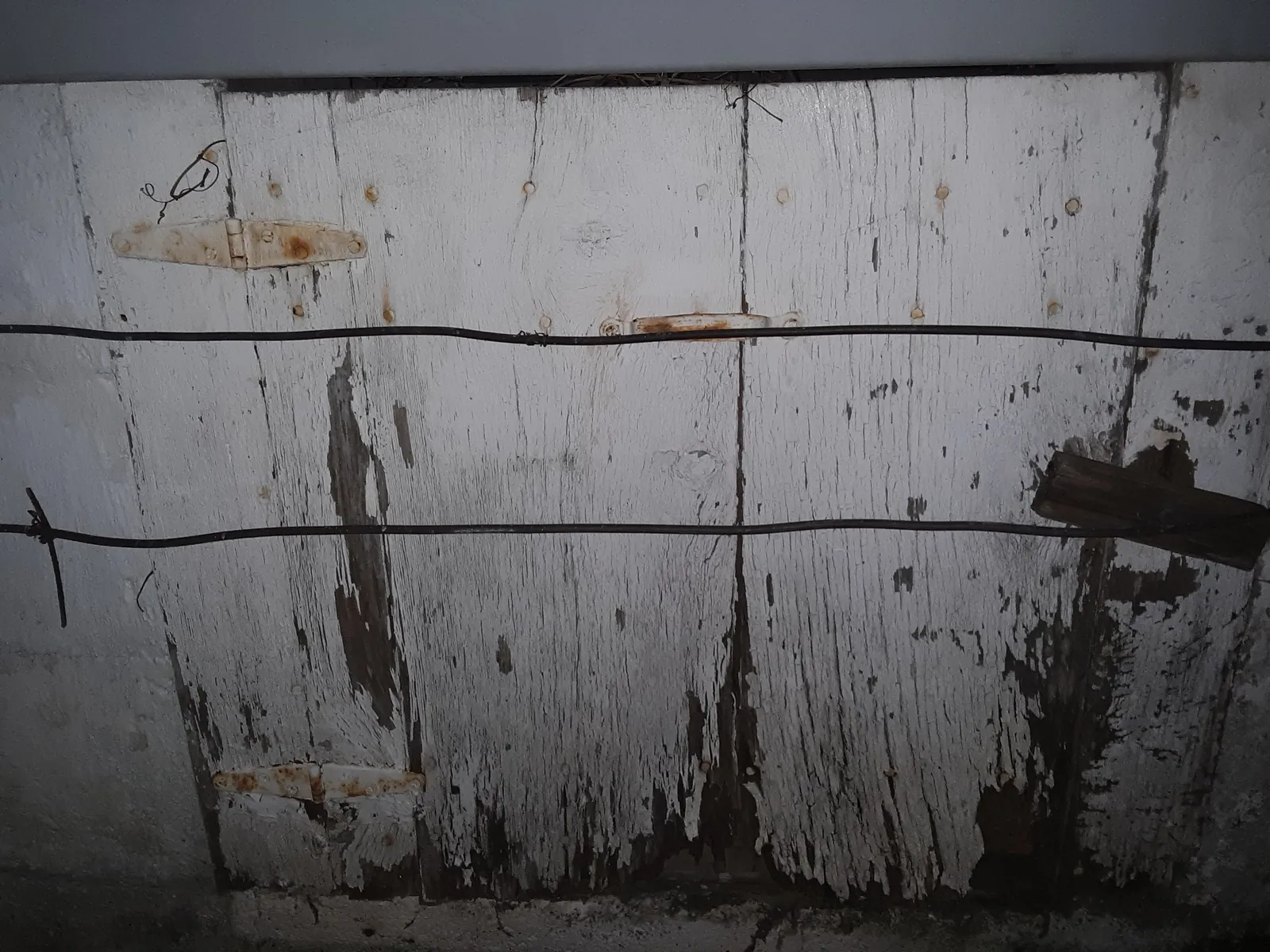
- ‘Interior crawl space under the Albion Hotel, Finley’ by Mattinbgn via Wikimedia Commons, CC BY 3.0, resized and converted to WebP.
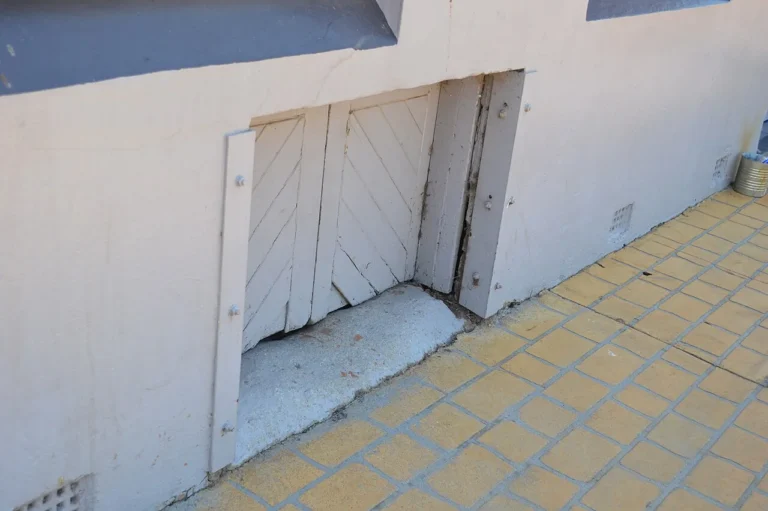
- ‘Exterior crawl space access panel on a residential foundation’ by TradeCrawlspaces via Wikimedia Commons, CC BY-SA 4.0, resized and converted to WebP.
The bottom line
Hire crawl-space help the way the Federal Trade Commission describes in Hiring a Contractor (March 2014) and How To Avoid a Home Improvement Scam: verify license and insurance, get trusted recommendations, collect multiple written estimates, put terms in a written contract (no blanks; 3-day cancel when it applies), don’t pay everything up front, and don’t make final payment until you’re satisfied. CrawlSpacePedia does not vet contractors—your local building authority and your documents do. Match quotes to real inclusions, clear safety stops (When Not to Encapsulate a Crawl Space and Crawl Space Structural Warning Signs (incl. sagging floors)), and use cost pages (Crawl Space Encapsulation Cost Guide and Crawl Space Sump Pump Cost (Install & Replacement)) for priced context—not as a substitute for due diligence.