
Musty Crawl Space Smell: Causes and What to Do

A musty smell from under the floor is usually a clue, not a diagnosis. Different smells need different next steps—and a few of them are emergencies. Air fresheners, scented gels, and “odor bombs” don’t fix moisture, sewage, wildlife, or gas leaks. Building America Solution Center DIY guidance treats a bad smell in the house as a reason to look at the crawl as soon as it’s safe—not as a reason to perfume the hatch.
If the crawl is wet after rain, start with Water in the Crawl Space: Causes and Fixes. If you mostly need humidity numbers and drying steps, use Crawl Space Humidity and Moisture Control. For cleanup size limits and gear, see Crawl Space Mold: What Homeowners Should Do. For a walk-through list, use the Crawl Space Inspection Checklist.
Safety first
Fuel or natural gas odor
Odorized natural gas is often described as a rotten-egg or skunk-like smell (distribution systems add mercaptan so leaks can be detected). That smell can be confused with sewer gas—treat unexplained fuel or gas odor as an emergency until professionals say otherwise.
The U.S. Pipeline and Hazardous Materials Safety Administration (PHMSA) Pipeline Leak Recognition and What to Do guidance says:
- Recognize possible leaks by sight (for example, blowing dirt, bubbling in wet areas, dead or discolored vegetation), sound (quiet hiss to loud roar), and smell (unusual or gaseous odor; mercaptan described as skunk-like on distribution systems).
- Leave the area by foot immediately. Don’t try to locate the source of the odor or leak. Stay upwind when you can.
- From a safe location, call 911; then notify the pipeline company or local emergency number if known.
- Don’t create ignition sources— no electrical switches, vehicle ignition, matches, starting motors, or using a telephone or cell phone in the hazard area; don’t open an automatic garage door if a vehicle is parked inside.
- Don’t operate pipeline valves yourself. Don’t drive into a vapor cloud.
PHMSA’s Recognizing and Responding to Pipeline Emergencies page repeats the home or workplace core for a rotten-egg natural-gas smell: leave, call 911 from a neighbor’s house or other place well away from the leak, and don’t start engines, strike matches, use phones, or operate light, garage, or electrical switches. Massachusetts state guidance says that if you smell gas inside a building, evacuate as rapidly as possible and call 911 once outside. Don’t turn lights or appliances on or off; don’t open or close windows; don’t try to shut off the gas.
If you can’t clearly separate a crawl-related odor from fuel gas, leave first, then call 911 or the utility from outside. Don’t enter the crawl to “check,” and don’t linger indoors operating switches or shutoffs when sources conflict—leave first.
Carbon monoxide and gasoline engines near openings
The U.S. Environmental Protection Agency flooding guidance says never run a generator inside homes, garages, crawl spaces, sheds, or similar places—carbon monoxide can build up quickly and linger for hours. The Centers for Disease Control and Prevention says never use a generator, pressure washer, or any gasoline-powered engine inside your home, basement, or garage, or less than 20 feet from any window, door, or vent—even if doors and windows are open. That includes gasoline pumps staged near foundation vents or crawl access.
Musty, earthy, or moldy smells
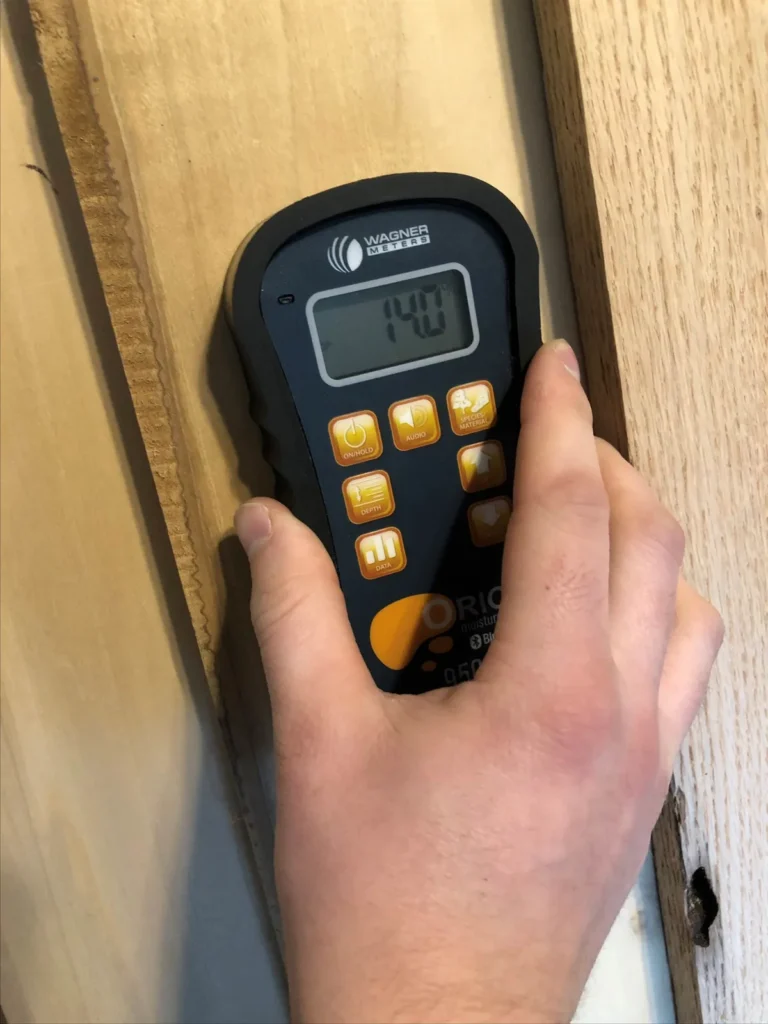
A damp, earthy, or moldy smell usually points to moisture—and often to mold on wood, paper-faced products, or wet insulation. Building America DIY crawl guidance lists musty odor among moisture problem signs. Measure relative humidity and wood moisture, and look for wet materials, before you buy perfume or plastic.
Use Crawl Space Humidity and Moisture Control for numbers and the drying sequence. Use Crawl Space Mold: What Homeowners Should Do for size limits, gear, and when to hire remediation. Don’t encapsulate over active mold or standing water—see When Not to Encapsulate a Crawl Space.
Wet after rain (liquid water smell)
If the smell spikes after storms, or you see mud, puddles, or wet insulation, treat it as a liquid-water problem first. A vapor barrier won’t stop active seepage. Start with Water in the Crawl Space: Causes and Fixes and the Crawl Space Drainage and Waterproofing Guide.
Sewer gas and plumbing smells
Sewer gas and odorized natural gas can both be described as rotten-egg. If you can’t confidently rule out natural gas, follow the fuel-gas emergency steps above. When the pattern looks like plumbing—odor strongest near unused floor drains, basement or crawl drain fixtures, or fixtures that gurgle—dry water traps are a common path for sewer gas into the home.
According to North Dakota State University Extension, dried-out traps in basement floor drains and infrequently used sinks, showers, or tubs can let sewer gas in; symptoms of exposure can include headache, nausea, dizziness, and drowsiness; odor may resemble an open septic or sewer line or rotten egg. Pour a quart of water into the drains every three to four weeks to keep traps sealed. Blocked roof sewer vents (including ice in cold weather) are another Extension-noted pathway—persistent problems mean call a plumber.
The Agency for Toxic Substances and Disease Registry ToxFAQs for hydrogen sulfide states that people can lose the ability to smell the gas after about 2 to 15 minutes of exposure at about 100 parts per million, which makes odor an ineffective hazard warning. A fading rotten-egg smell doesn’t mean the air is safe. Don’t use your nose alone to “clear” a sewer- or gas-type odor; if fuel gas can’t be ruled out, follow the leave-first emergency steps above.
Building America DIY lists a sewer leak among crawl moisture causes—active sewage leaks are plumber or remediation territory, not trap-top-ups alone (Water in the Crawl Space: Causes and Fixes).
Pests and dead animals
Building America DIY pest themes for crawls include droppings, nests, chewed wires, damaged vapor barrier, disturbed soil or insulation, and live wildlife. Strong decay or wildlife odor: don’t dig through insulation yourself if animals may still be present—exit and call licensed pest or wildlife control. Signs of Pests in a Crawl Space covers the broader checklist. After removal, still fix the moisture that made the crawl attractive (Crawl Space Humidity and Moisture Control or Water in the Crawl Space: Causes and Fixes).
Dryer vents and HVAC-related smells
Building America DIY explicitly flags a clothes dryer that vents into the crawl as a moisture failure that can leave damp, molding, rotting insulation. Confirm the dryer duct terminates outdoors, with an intact path (no crushed duct dumping lint under the floor). Disconnected or leaking HVAC ducts can move crawl air and odors into living space. Combustion or open appliances in the crawl are an encapsulation stop—not an odor-masking project (When Not to Encapsulate a Crawl Space). Suspected mold in HVAC: follow the EPA duct-cleaning caution on Crawl Space Mold: What Homeowners Should Do (don’t run a known contaminated system to “air it out”).
What not to do
| Tempting move | Why it fails |
|---|---|
| Spray air freshener or ozone “shock” as the fix | Masks the clue; doesn’t remove moisture, sewage, pests, or gas hazards |
| Encapsulate or seal vents over an unidentified odor | Can trap moisture or contamination; see stop conditions on When Not to Encapsulate a Crawl Space |
| Enter standing water or sewage to “find the smell” | Electrical and contamination hazards (Water in the Crawl Space: Causes and Fixes) |
| DIY heavy mold demolition without protective gear or size limits | Follow Crawl Space Mold: What Homeowners Should Do |
| Ignore rotten-egg odor because “it’s probably just the crawl” | May be sewer or fuel gas—when unsure, evacuate and call |
When to call which pro
| Situation | Who |
|---|---|
| Possible natural gas or fuel odor | 911 or gas utility from a safe location outside |
| Sewage backup or contaminated water | Plumber or remediation (Water in the Crawl Space: Causes and Fixes) |
| Persistent sewer odor after traps refilled | Plumber (vents, leaks, ejector covers) |
| Visible mold needing cleanup beyond DIY limits | Remediation path on Crawl Space Mold: What Homeowners Should Do |
| Live wildlife or carcass | Pest or wildlife control |
| Standing water or drainage failure | Waterproofing or drainage (Water in the Crawl Space: Causes and Fixes, Crawl Space Drainage and Waterproofing Guide) |
| Soft or sagging framing with decay smell | Structural professional (Crawl Space Structural Warning Signs) |
| Planning encapsulation after odors clear | When Not to Encapsulate a Crawl Space, then Crawl Space Encapsulation Guide |
The bottom line
Classify the smell before you buy plastic or perfume. Fuel or gas suspicion: leave and call. Musty or earthy means moisture and possible mold (Crawl Space Humidity and Moisture Control, Crawl Space Mold: What Homeowners Should Do). Wet after rain points to Water in the Crawl Space: Causes and Fixes. Plumbing sewer patterns: refill traps or call a plumber. Pests and dryer mistakes have their own fixes. Use the Crawl Space Inspection Checklist to record what you see—and don’t encapsulate over an unsolved odor (When Not to Encapsulate a Crawl Space).
Sources
- Look at the Crawlspace for Moisture Issues — Building America Solution Center
- A Brief Guide to Mold, Moisture and Your Home — U.S. Environmental Protection Agency
- Mold and Moisture Checklist — NC State Extension
- Prevent Sewer Gas Backup — North Dakota State University Extension
- Pipeline Leak Recognition and What to Do — U.S. PHMSA
- Recognizing and Responding to Pipeline Emergencies — U.S. PHMSA PRIMIS
- What to do if you smell gas — Massachusetts
- ToxFAQs for Hydrogen Sulfide (H2S) — Agency for Toxic Substances and Disease Registry
- Flooding — U.S. Environmental Protection Agency
Image credits
- ‘Wood moisture meter reading on lumber’ by Hrco via Wikimedia Commons, CC BY-SA 4.0, resized and converted to WebP.