
Crawl Space Humidity and Moisture Control
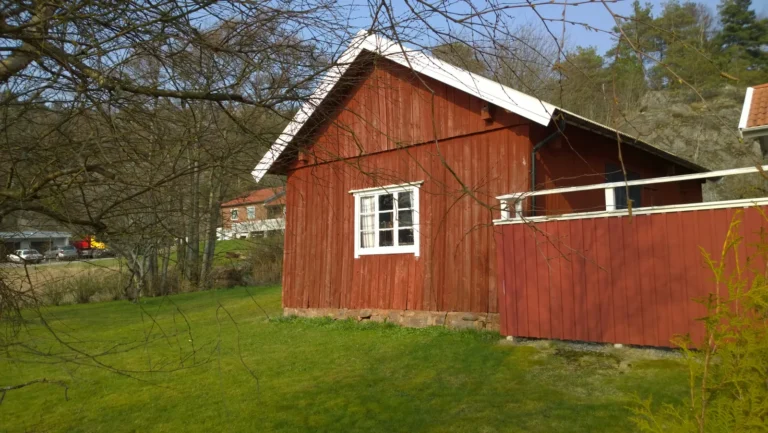

Crawl space humidity and moisture problems show up as musty smells upstairs, damp wood, wet or fallen insulation, condensation on ducts, or a hygrometer that stays high under the house. Here is a troubleshooting gateway: how moisture reaches living space, which humidity targets apply where, how to measure, a symptom then likely cause then next step map, an inspection checklist, seasonal and climate notes, and when to call a pro.
It does not claim humidity is the most-searched crawl topic, and it does not size dehumidifiers (see Crawl Space Dehumidifier Guide). Encapsulation and vapor-barrier how-tos live in Crawl Space Encapsulation Guide and Crawl Space Vapor Barrier Guide—use them after you understand the moisture sources.
Why crawl space moisture reaches living spaces
Crawl spaces sit over soil that releases water vapor. Outdoor air through foundation vents can add more humidity in humid seasons. U.S. Environmental Protection Agency (EPA)’s mold course notes crawl spaces as hidden moisture and mold sites with pathways into living space. Stack effect, floor leaks, and duct leaks move damp air and odors upstairs even when you never enter the crawl.
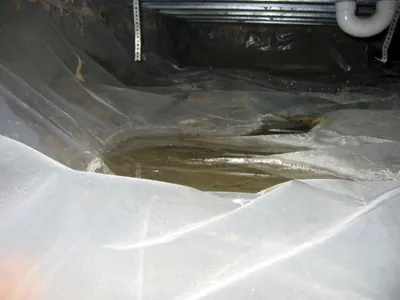
Liquid water is a separate—and often more urgent—problem: poor grading, gutters dumping at the foundation, plumbing leaks, and high groundwater. Building America Solution Center (BASC) water-management guidance treats exterior and crawl-floor water control as part of moisture management, not an optional extra.
On humidity targets: keep EPA whole-house guidance separate from crawl checks
EPA — indoor or whole-home moisture guidance
According to the U.S. Environmental Protection Agency’s A Brief Guide to Mold, Moisture and Your Home:
- Keep indoor humidity below 60% relative humidity if possible; ideally 30–50%.
- Dry wet materials within 24–48 hours when you can, to reduce mold growth risk.
- Relative humidity can be checked with an inexpensive humidity meter.
These EPA figures are whole-house and indoor mold-and-moisture guidance. They are not a crawl-space-only code requirement and are not presented here as the legal operating setpoint for every sealed crawl.
BASC — crawl-space inspection concern thresholds
The Building America Solution Center guide Look at the Crawlspace for Moisture Issues notes —
- Generally, wood moisture content above 18% is bad.
- Air relative humidity levels above 70% are bad (in the crawl-inspection context of that guide).
- Prefer inspecting in spring or fall after a significant rain to catch active water intrusion.
Use these as crawl-inspection concern flags, not as EPA’s indoor targets and not as CrawlSpacePedia field measurements.
Sealed-crawl practice setpoints (not EPA law)
Closed and sealed crawls need a drying plan (dehumidifier or conditioned or supply air)—see Advanced Energy closed-crawl guidance and Crawl Space Dehumidifier Guide. CrawlSpacePedia does not treat any single relative humidity (RH) number as sealed-crawl code, and it does not publish a bare “~50%” setpoint as common practice without a crawl-specific primary source.
Practical design range to discuss with a pro:
- Keep crawl air well below BASC’s inspection concern flag (air RH above ~70% “bad” in that DIY crawl guide).
- ENERGY STAR dehumidifier guidance cites an optimum RH for a building generally of 30–50%—whole-building or product context, not a crawl-space requirement.
- Advanced Energy closed-crawl recommendations commonly aim for crawl RH typically 70% or lower. The Princeville field study summarized in Advanced Energy’s closed-crawl manual found wall-vented crawls exceeded 80% RH for the majority of spring and summer, while closed designs controlled RH below 65% in the same period; summer daily-average tables show closed crawls spent 0% of time above 80% RH across reported summers and far less time above 60–70% than vented.
- Contractor humidistat settings often land in the mid-40s to mid-50s—confirm with your equipment manual and design, not here.
Start with the Crawl Space Dehumidifier Guide; for the system overview, see the Crawl Space Encapsulation Guide.
| Guidance | Number | Context | Source |
|---|---|---|---|
| Indoor RH ideally | 30–50% | Whole-home indoor | EPA Brief Guide |
| Indoor RH upper | <60% | Whole-home indoor | EPA Brief Guide |
| Dry wet materials | 24–48 h | Indoor mold prevention | EPA Brief Guide |
| Building optimum RH (product guidance) | 30–50% | Whole-building or dehumidifier context—not crawl statute | ENERGY STAR Dehumidifiers |
| Crawl air RH concern | >70% | Crawl inspection | BASC DIY guide |
| Closed-crawl design goal (practice) | Typically ≤70% RH | Closed-crawl recommendations | Advanced Energy closed-crawl manual |
| Closed-crawl research observation | Vented often >80% RH much of spring and summer; closed below 65% same period (Princeville); summer tables: closed 0% time above 80% | Advanced Energy Princeville field study | Advanced Energy closed-crawl manual |
| Wood moisture concern | >18% | Crawl wood | BASC DIY guide |
Do not mix rows: a living-room reading of 55% RH is not the same decision as crawl air at 75% or joists above 18% wood moisture content.
How to measure
- Air RH (hygrometer): Place a calibrated humidity meter in the crawl (not only upstairs). Log date, outdoor weather, and whether vents are open. Cheap meters vary—compare two devices if readings drive expensive work.
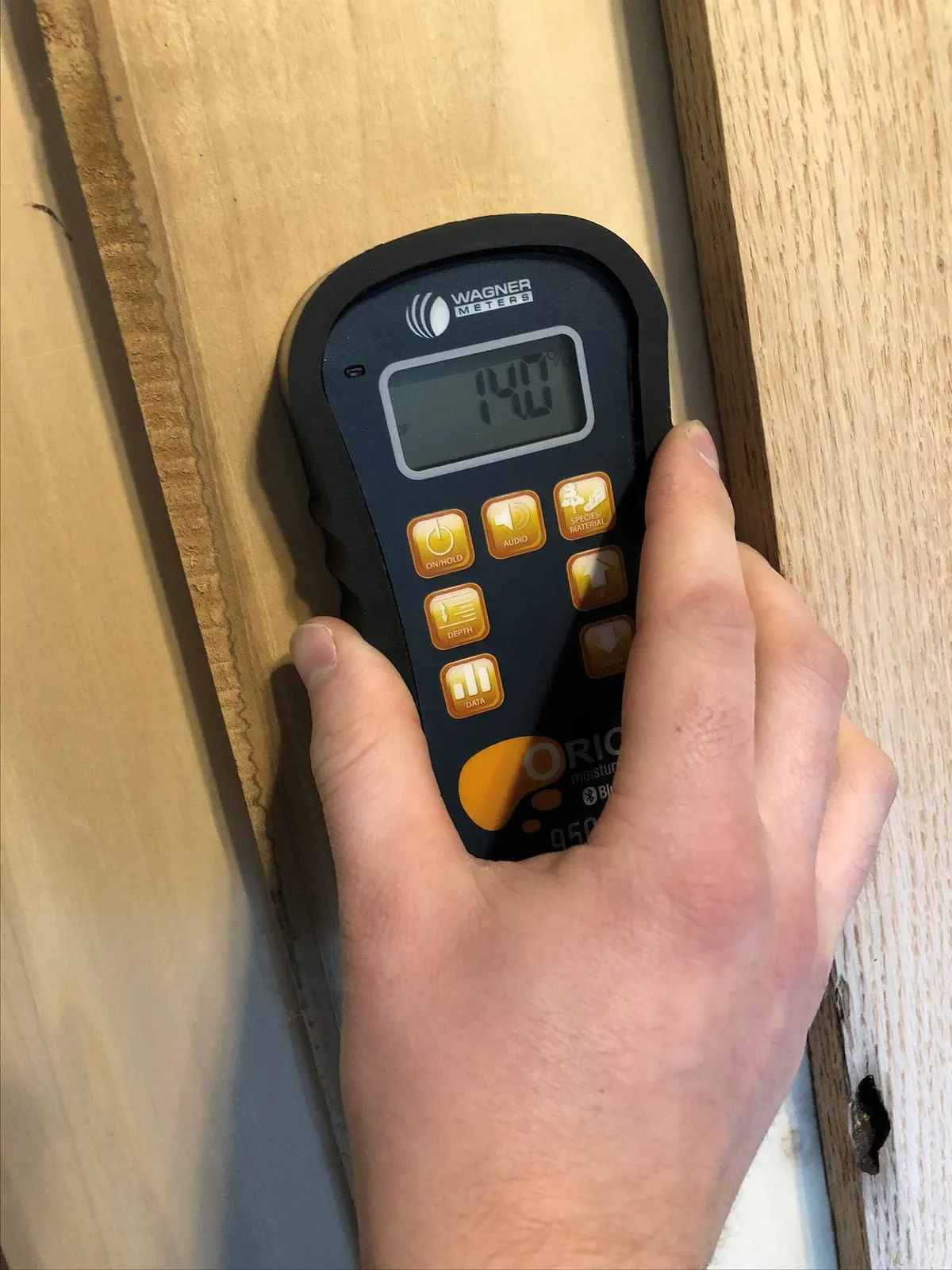
- For wood moisture content, use a wood moisture meter on joists and sills as BASC describes; interpret above ~18% as concerning per that guide. Follow the meter’s species and settings instructions—CrawlSpacePedia did not field-calibrate meters for this write-up.
- Visual + smell: Musty odor, staining, condensation, rust, standing water, saturated insulation.
- Optional separate deep-dive. Meter how-to detail may later appear at How to Measure Crawl Space Humidity.
Photograph readings and problem areas before calling contractors.
Symptoms then likely causes then next steps
Educational synthesis for homeowner triage—not a certified diagnosis or code inspection; causes can overlap; pause DIY sealing when mold, structure, combustion, flood openings, or sewage are involved.
| Symptom | Likely contributors | Next steps |
|---|---|---|
| Standing water or mud | Grading, gutters and downspouts, plumbing, groundwater, missing drains | Stop entry; do not cover with liner yet see Water in the Crawl Space: Causes and Fixes, Crawl Space Drainage and Waterproofing Guide |
| Musty smell upstairs | Damp crawl air, mold on wood and insulation, floor leaks | Inspect crawl with personal protective equipment (PPE); measure RH and wood moisture content (MC); source control before perfume “fixes” see Musty Crawl Space Smell: Causes and What to Do, Crawl Space Mold: What Homeowners Should Do |
| Condensation on ducts and pipes | Cold surfaces + humid crawl air | Reduce humidity sources; insulated ducts; drying plan if sealed then Condensation on Ducts in a Crawl Space, Crawl Space Dehumidifier Guide |
| Wet or fallen insulation | Liquid water or chronic high RH | Fix water; remove ruined batts; do not reinstall wet fiberglass then Crawl Space Insulation Falling Down if published for insulation moisture |
| High crawl RH, dry floor | Humid vent air, soil vapor, wet walls, no drying after sealing | Ground cover Crawl Space Vapor Barrier Guide; consider closed-crawl + drying Crawl Space Encapsulation Guide and Crawl Space Dehumidifier Guide |
| High wood MC (>18% per BASC) | Chronic damp air or wetting | Find liquid sources; improve drying; structural check if soft or rotted then Crawl Space Structural Warning Signs (incl. sagging floors) |
| Mold on joists or wet framing | Sustained moisture | Safety boundaries; often pro remediation see Crawl Space Mold: What Homeowners Should Do |
Inspection checklist (homeowner)
Adapted from Building America Solution Center DIY crawl moisture inspection themes and Environmental Protection Agency moisture-control habits—educational, not a certified inspection.
Before you go under
- Tell someone; avoid solo entry when possible
- PPE: coveralls with hood, fitted respirator + eye protection (or full-face), gloves, kneepads, headlamp (BASC examples)
- Do not enter flooded, electrically hazardous, or sewage-contaminated spaces—call pros
- Tools: camera, notepad, air humidity meter, wood moisture meter
In the crawl
- Standing water, damp soil, or drainage paths toward the house?
- Gutters and downspouts and exterior grade (from outside) dumping to foundation?
- Plumbing drips or heating, ventilation, and air conditioning (HVAC) condensate issues?
- Ground cover present, intact, upturned? Gaps at piers?
- Vents open-and-closed; evidence of pests?
- Insulation wet, sagging, or on the ground?
- Condensation on ducts, cold water lines, or metal?
- Visible mold-like growth on wood or paper-faced products?
- Log air RH and wood moisture readings with locations and dates
- Combustion appliances present? (Do not seal vents without a combustion plan—When Not to Encapsulate a Crawl Space).
After rain (spring and fall preferred per BASC)
- Re-check for new water tracks and rising wood moisture
NC State Extension’s mold and moisture checklist is another homeowner-oriented companion, including a note that crawl soil should have at least a 6–8 mil plastic vapor barrier covering the soil.
Control sequence (fix sources before gadgets)
Order matters. Sealing or running a dehumidifier over unmanaged liquid water often fails.
- Exterior water — grade, gutters, downspout extensions, irrigation aimed away (Crawl Space Drainage and Waterproofing Guide).
- Interior leaks and standing water — plumbing, drains, sump as needed (Water in the Crawl Space: Causes and Fixes, Crawl Space Sump Pump Cost (Install & Replacement)).
- Ground vapor retarder — continuous cover with proper detailing (Crawl Space Vapor Barrier Guide).
- Air sealing or closed crawl (when appropriate) — vent sealing only after combustion, flood-opening, and water checks (Crawl Space Encapsulation Guide, When Not to Encapsulate a Crawl Space, Vented vs Unvented Crawl Space).
- Mechanical drying — dehumidifier or conditioned air for sealed spaces (Crawl Space Dehumidifier Guide).
- Insulation location after the enclosure strategy is clear (Insulate Crawl Space Walls or Floor?).
U.S. Department of Energy (DOE) Building America research summarized on the Top Innovation page (Jan 7, 2014) discusses humidity and energy benefits of unvented conditioned crawls in studied contexts—useful background, not a promise for every house.
Seasonal and climate notes
| Context | What homeowners often see | Implication |
|---|---|---|
| Humid warm seasons | Outdoor vent air can add moisture; musty peaks in summer in many humid regions | Barrier + drying strategies often outperform “more vents” alone; see Crawl Space Encapsulation Guide |
| After heavy rain | Best time to spot intrusion (BASC) | Inspect then; don’t wait only for a dry sunny day |
| Winter or cold | Condensation on cold surfaces; different drying loads | Measure before major sealing; combustion and safety checks matter |
| Arid climates | Soil or vent moisture may be less dominant | Still use ground cover where soil gas and dust and pest pathways matter; don’t assume zero risk |
| Shoulder seasons | Intermittent wetting | Log multiple readings, not one snapshot |
Seasonality here is qualitative practice context, not a traffic or “peak search” claim.
When to call a professional
Call qualified help—and pause DIY sealing—when you find:
- Mold beyond trivial surface issues, or anyone with significant respiratory risk (Crawl Space Mold: What Homeowners Should Do)
- Structural soft joists, sagging floors, failed piers (Crawl Space Structural Warning Signs (incl. sagging floors))
- Electrical hazards in wet spaces
- Sewage, fuel oil, or chemical contamination
- Atmospheric combustion equipment in a crawl you plan to seal (When Not to Encapsulate a Crawl Space).
- Required flood openings or Special Flood Hazard Area (SFHA) constraints (Federal Emergency Management Agency (FEMA) National Flood Insurance Program (NFIP) TB-1, March 2020)
- Radon concerns—test; sealing changes soil-gas pathways
This is educational. For structural repairs, mold remediation, combustion evaluation, radon mitigation, or floodplain compliance, consult licensed professionals and your local building department.
Related guides
| Need | Link |
|---|---|
| Encapsulation system | Crawl Space Encapsulation Guide |
| Vapor barrier install | Crawl Space Vapor Barrier Guide |
| Dehumidifier guide | Crawl Space Dehumidifier Guide |
| Standing water | Water in the Crawl Space: Causes and Fixes |
| Musty smell | Musty Crawl Space Smell: Causes and What to Do |
| Mold on wood and joists | Crawl Space Mold: What Homeowners Should Do |
| Drainage | Crawl Space Drainage and Waterproofing Guide |
| Condensation on ducts | Condensation on Ducts in a Crawl Space |
| Full encapsulation cost | Crawl Space Encapsulation Cost Guide |
Sources
- U.S. EPA — A Brief Guide to Mold, Moisture and Your Home
- U.S. EPA — What Are the Main Ways to Control Moisture in Your Home?
- U.S. EPA — Mold Course Chapter 2
- Building America Solution Center — Look at the Crawlspace for Moisture Issues
- BASC — Water Management for an Existing Crawlspace Floor
- U.S. Department of Energy — Unvented, Conditioned Crawlspaces – Building America Top Innovation
- NC State Extension — Mold and Moisture Checklist
- Advanced Energy — Crawl Spaces hub
- FEMA — NFIP Technical Bulletin 1 (March 2020)
- ENERGY STAR — Dehumidifiers (building optimum RH generally 30–50%; product and building context)
- Advanced Energy — Closed crawl spaces manual (Princeville: vented often >80% RH spring and summer; closed below 65%; summer threshold tables; typically 70% RH or lower design goal)
Image credits
- ‘House on a low stone foundation with crawl space ventilation openings’ by Ingwik via Wikimedia Commons, CC BY-SA 4.0, resized and converted to WebP.
- ‘Pooled water under plastic sheeting in a crawl space’: U.S. Environmental Protection Agency / Wikimedia Commons, public domain, resized and converted to WebP.
- ‘Handheld wood moisture meter showing a reading on lumber’ by Hrco via Wikimedia Commons, CC BY-SA 4.0, resized and converted to WebP.
The bottom line
Control crawl space humidity by measuring honestly, separating EPA indoor targets from BASC crawl concern thresholds, fixing water sources first, then adding barrier, sealing (when safe), and mechanical drying. Use the symptom table and checklist to choose the next article—not a dehumidifier or encapsulation sale as step one.